TESTING AND MONITORING THE ATMOSPHERE
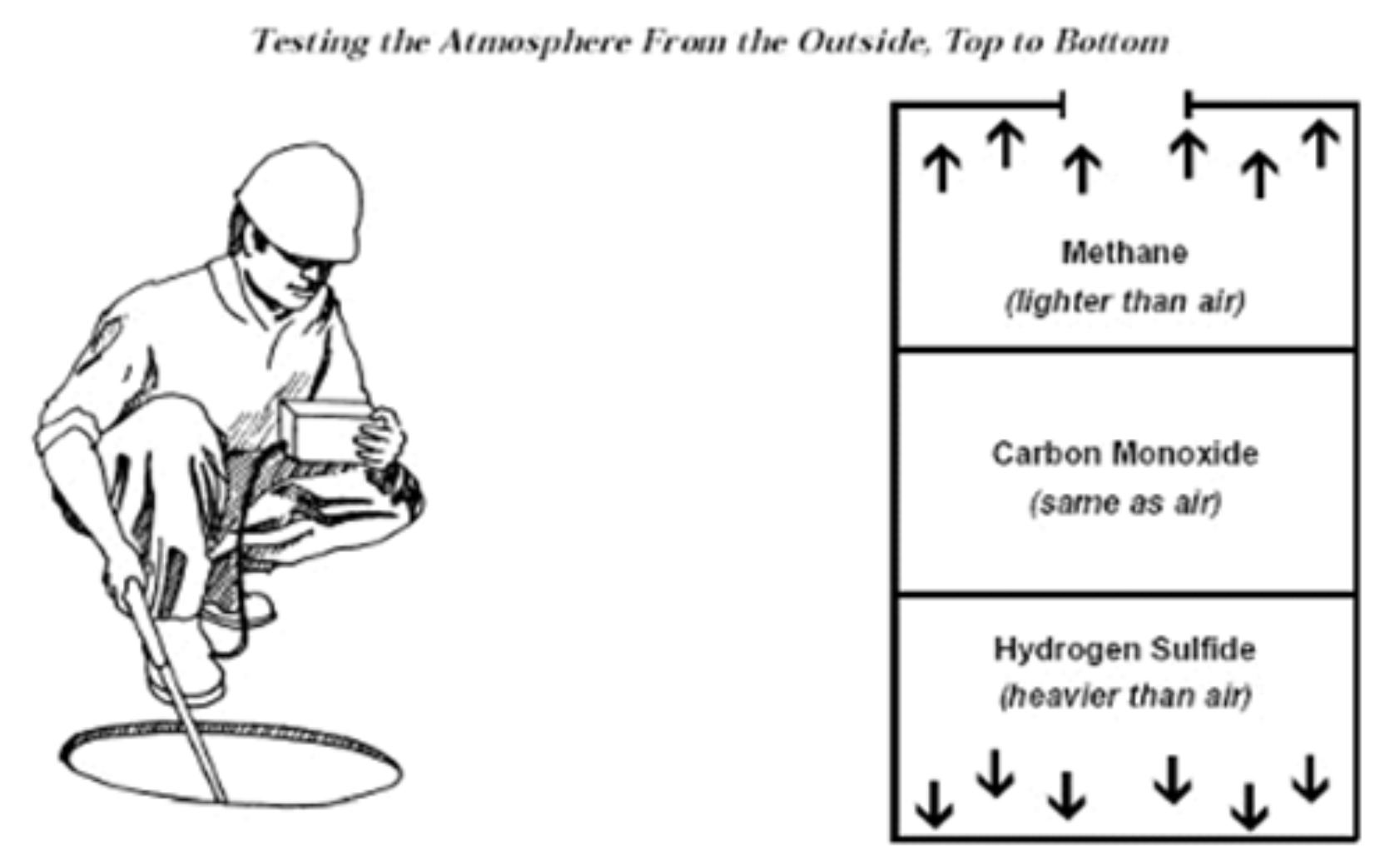
The atmosphere within a confined space should be tested for hazardous gases, fumes, vapours, or to check the oxygen concentration prior to entry. Testing should be carried out when there is knowledge of its previous contents or if chemicals used in any prior activity within the space may indicate the atmosphere would be unsafe to breathe. Testing should be done by a competent person, and be conducted at least 5 minutes prior to entry. Testing can be carried out initially from outside, without the need for entry, drawing sample results through a long probe or just lowering down the monitor on a line.
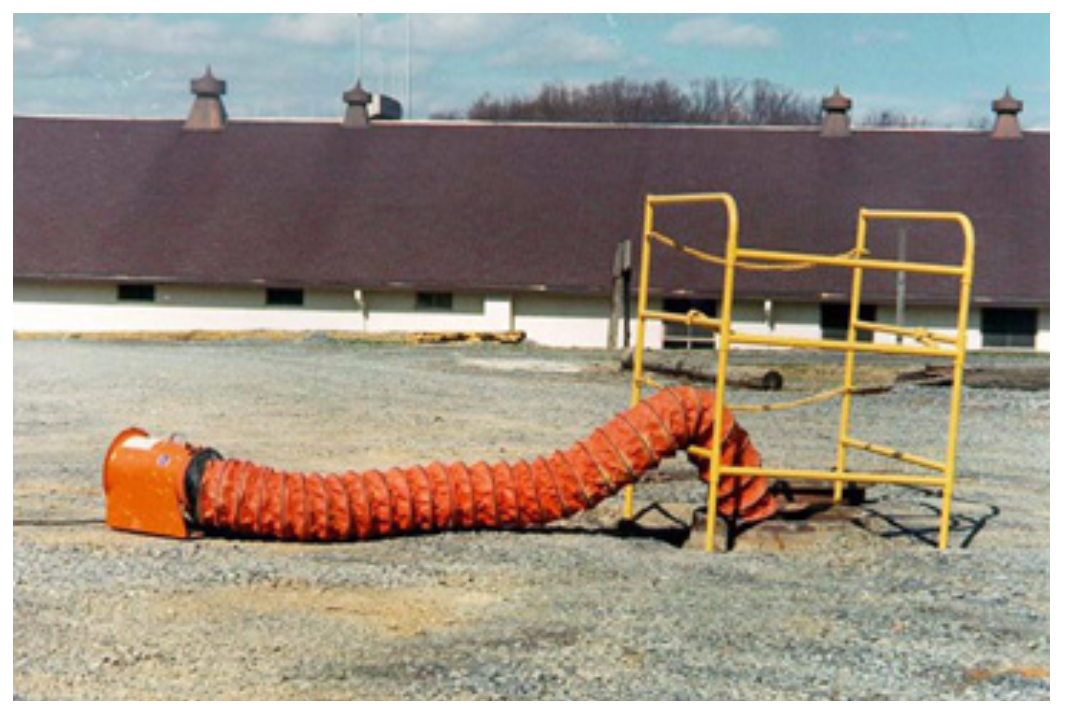
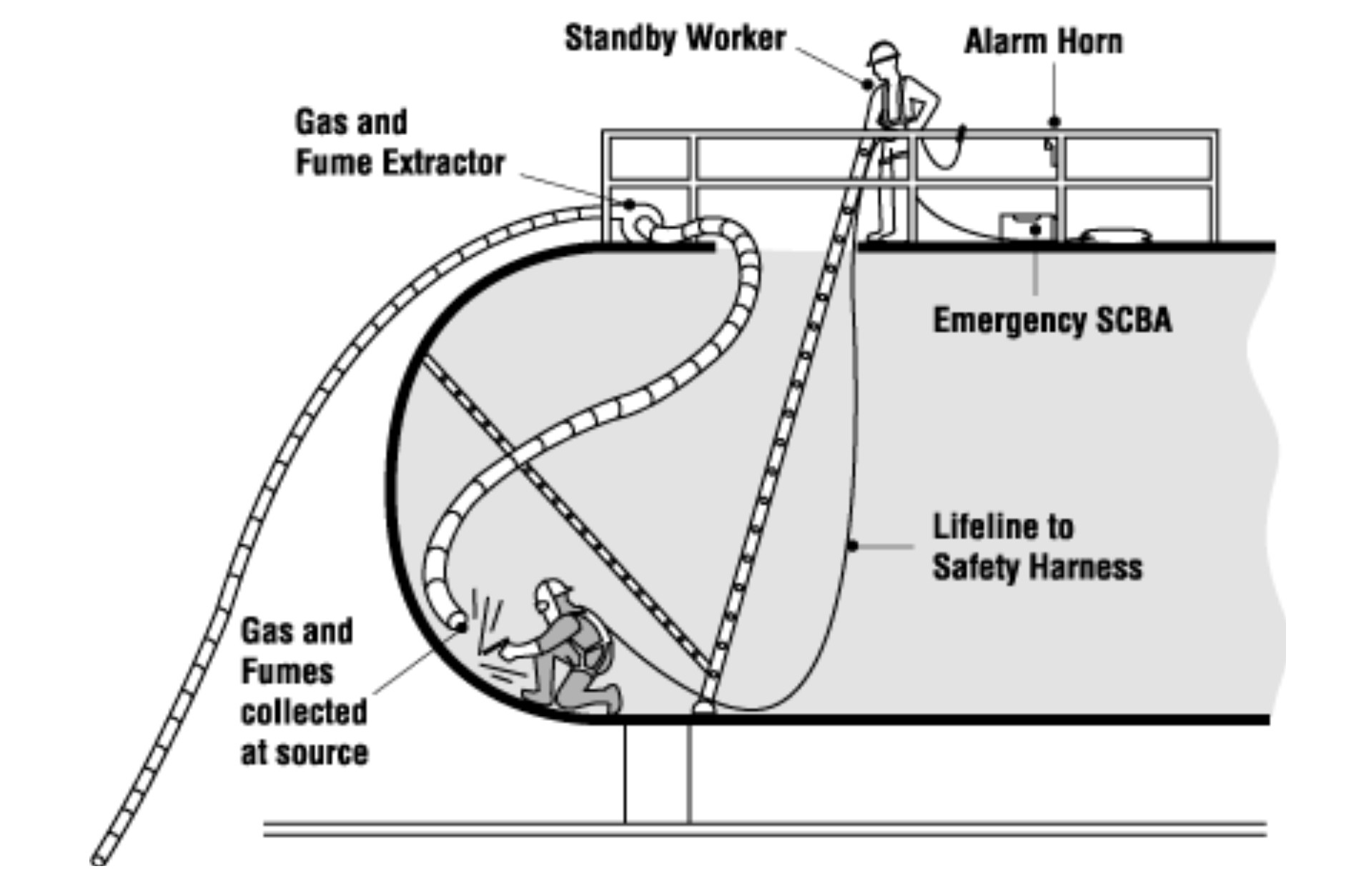
Purging – Where the risk assessment indicated the presence or possible presence of flammable or toxic gases or vapours there may need to purge the gas or vapour from the confined space. This can be done with air or an inert gas where toxic contaminants are present, but only use an inert gas on flammable gases or vapours as using air may produce a flammable mixture.
Equipment – Any equipment used must be suitable and fit for purpose within a confined space. Particularly where there is a risk of a flammable gas presence, which could be ignited by an ignition source, e.g. hand held portable lighting, specially protected electrical equipment needs to be used which is intrinsically safe.

Dangerous Substances, Explosive Atmosphere Regulations DSEAR 2002 defines hazardous areas according to the probability of their being an explosive mixture present.
Reference: BSEN 60079/10
- Zone 0 – An explosive mixture is continuously present or present for long periods
- Zone 1 – An explosive mixture is likely to occur in normal operations
- Zone 2 – An explosive mixture is not likely to occur in normal operations and if it does will only be for short periods.
Intrinsically safe gas detectors may have two (i) rating;
- ia – Less likely to ignite an explosive atmosphere under fault conditions and used be used in Zones 0, 1 and 2.
- ib – Should not be used in Zone 0 but is suitable for Zones 1 and 2.
Additional markings meaning:
- EX Mark of certification authority
- E Approved to European norm (ATEX)
- T4 Temperature class (T4 suitable for gases and vapours with ignition temperatures more than 135ºC).
Smoking – THIS IS PROHIBITED WITHIN CONFINED SPACES. This includes the carrying of matches etc. If smoking is to be allowed on site, then an exclusion zone of 5-10 metres needs to be established.
Emergency and Rescue – Under the Confined Space Regulation 1997, regulation 5 and page 5 on this document they need to be suitable and sufficient and where appropriate, there will also be a need for the necessary equipment to enable resuscitation procedures to be carried out. These arrangements should be in place prior to entry by any person.
Gas Detection
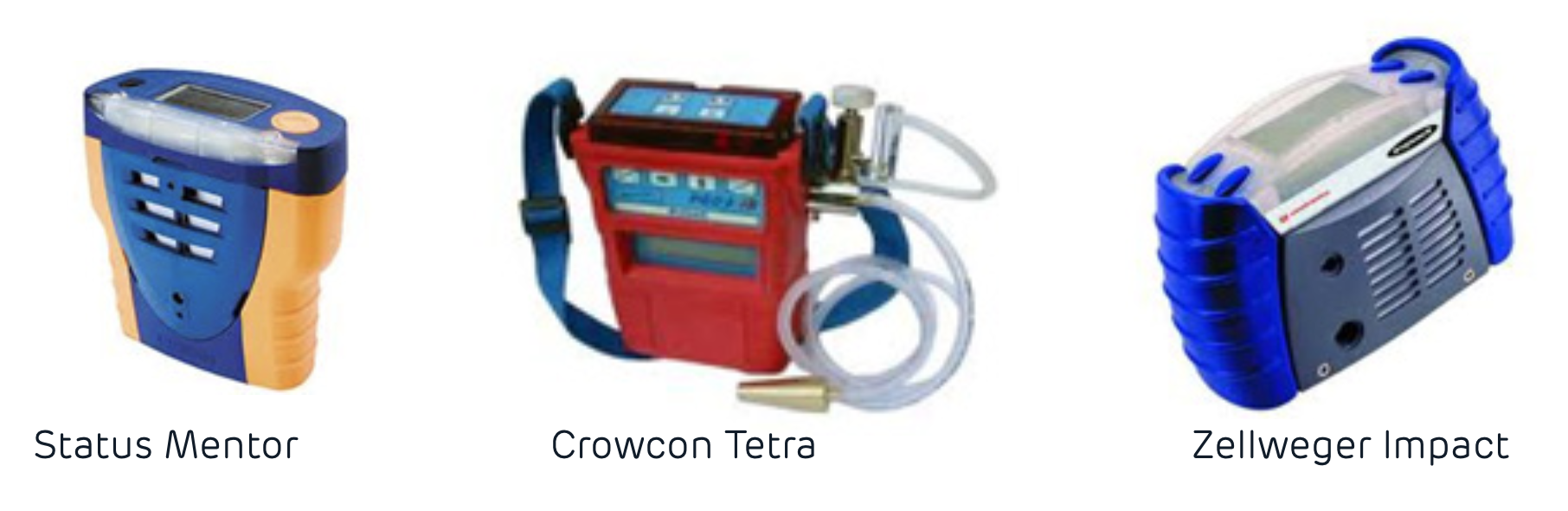
The above are examples of gas detection equipment. You must be familiar with the equipment issued by your organisation.
GENERAL INSTRUCTIONS
- Visually check for any signs of damage
- Switch on and allow to run through its start up cycle
- If gas detector activates and will not reset set, do not temper with, send to and approved and authorised agent
- Check battery indicator if fitted
- Cleanliness, paying particular attention to the sensor ports
- Alarm will activate initially then go into run mode, which it may beep periodically
- They must be turned on at all times when in the confined space and attached to your person. Their operation must not be hampered; therefore they are to be worn externally.
Detectors should be capable of testing for 3 atmospheres;
- Firstly the oxygen content of the atmosphere is 21%, if the reading is lower than 19.5% or greater than 23.5% your concerns should be highlighted.
- Secondly the test for flammable atmosphere.
- Third test is for the toxicity of the atmosphere which detectors can be calibrated to detect carbon monoxide and hydrogen sulphide. However you need to select the appropriate sensors according to your risk assessment.